
Human’s Relationship with Nature
FROM NATURE TO HUMANITY
In the 1700s, French astronomer Nicolas-Louis de Lacaille began naming newly discovered constellations after human inventions. Looking through his telescope, he identified patterns among the stars and gave them names. One became Horologium, honoring Christiaan Huygens and the pendulum. Another became Microscopium, after the microscope. Of the seventy constellations recognized at the time, Lacaille added more than fourteen, almost all named after scientific instruments.
Unknowingly, he did more than break thousands of years of astronomical tradition. He symbolically placed humanity’s achievements among the stars. It reflected an idea that had quietly been growing for millennia: Nature was no longer sovereign. Humanity was.
To understand how we arrived here, we need to look at mythology—not to study ancient gods or religions, but to understand what those stories reveal about our relationship with the natural world.
Mircea Eliade wrote that one of mythology’s primary functions is to establish models of behavior. Joseph Campbell described myth as serving four purposes: inspiring awe, explaining the universe, supporting society, and teaching us how to live.
Whether religious or folkloric, myths became the stories through which civilizations understood themselves. They shaped not only what people believed, but what they valued.
Nature’s place in those stories is remarkably revealing.
At the beginning, humans feared Nature. Early civilizations revered fire, wind, water, and earth. They believed animals, mountains, rivers, and forests possessed a spirit. Today we call this worldview animism, the belief that life exists throughout the natural world. The divine was not separate from Nature. It was Nature. Humans did not stand above it. They lived within it.
Among the Mapuche people of Patagonia, spirits known as the Ngen governed every part of the natural world. Before taking anything from Nature, people first acknowledged the spirit responsible for it and offered something in return. Nature was not a resource. It was a relationship.
The earliest gods reflected the same worldview.
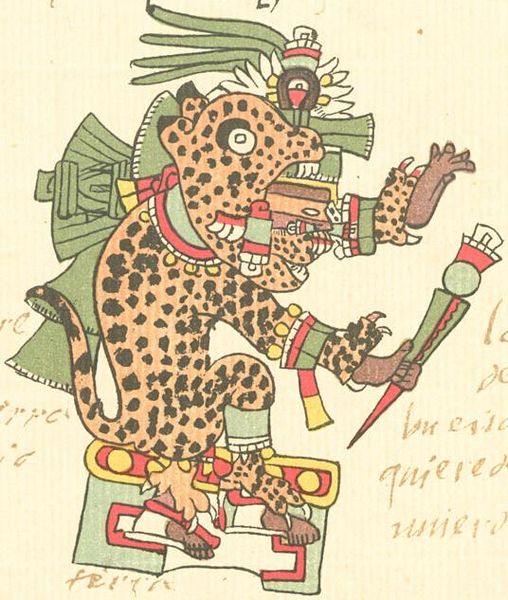
In Aztec mythology, Tepeyollotl—the “Heart of the Mountain”—was the god of earthquakes, echoes, and jaguars, often depicted as a jaguar leaping toward the sun.
In ancient Egypt, Aker represented the horizon itself, originally portrayed not as a human, but as the landscape.
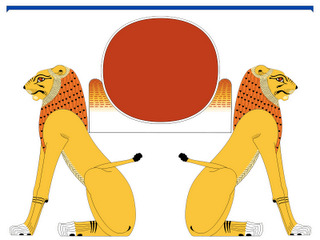
The divine still belonged to the natural world. Then something extraordinary happened. The divine began to change shape.
As civilizations evolved, gods gradually became human. They acquired faces like ours. Hands like ours. Emotions like ours.
Instead of representing Nature, they ruled over it. Poseidon governed the seas. Shu held up the sky. Geb became the Earth. Nature no longer possessed its own agency. It answered to someone who looked like us. This was more than an artistic choice. It reflected a profound shift in how humans understood their place in the world.
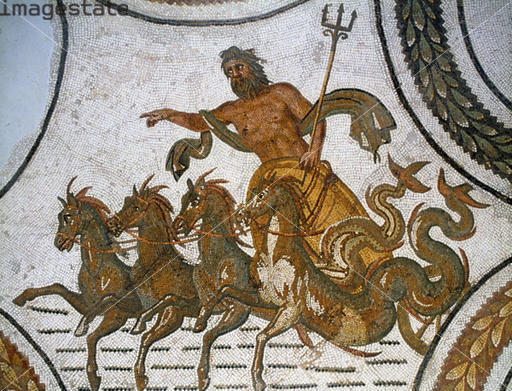
The sacred had moved. It moved from the forest to the temple. From the animal to the human. From Nature…to us.
Some argue these images are merely symbolic and should not be taken literally. They’re right. But symbols matter.
Communication, psychology, and marketing have repeatedly demonstrated the power of repetition. Images shape culture. Stories shape values. Civilizations eventually become the stories they tell themselves.
When a civilization spends centuries portraying humanity as the image of the divine and Nature as something to command, that story inevitably begins to influence how people see the world.
One figure, however, stands apart.
Across several mythologies appears the Horned God. Faunus in Roman mythology. Pan in Greek mythology. Cernunnos among the Celts. Each is both human and animal. Antlers crown the head. Goat legs replace human ones.
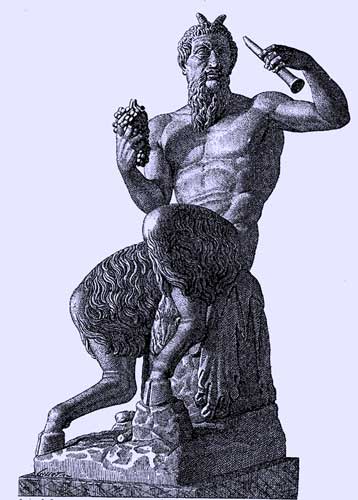
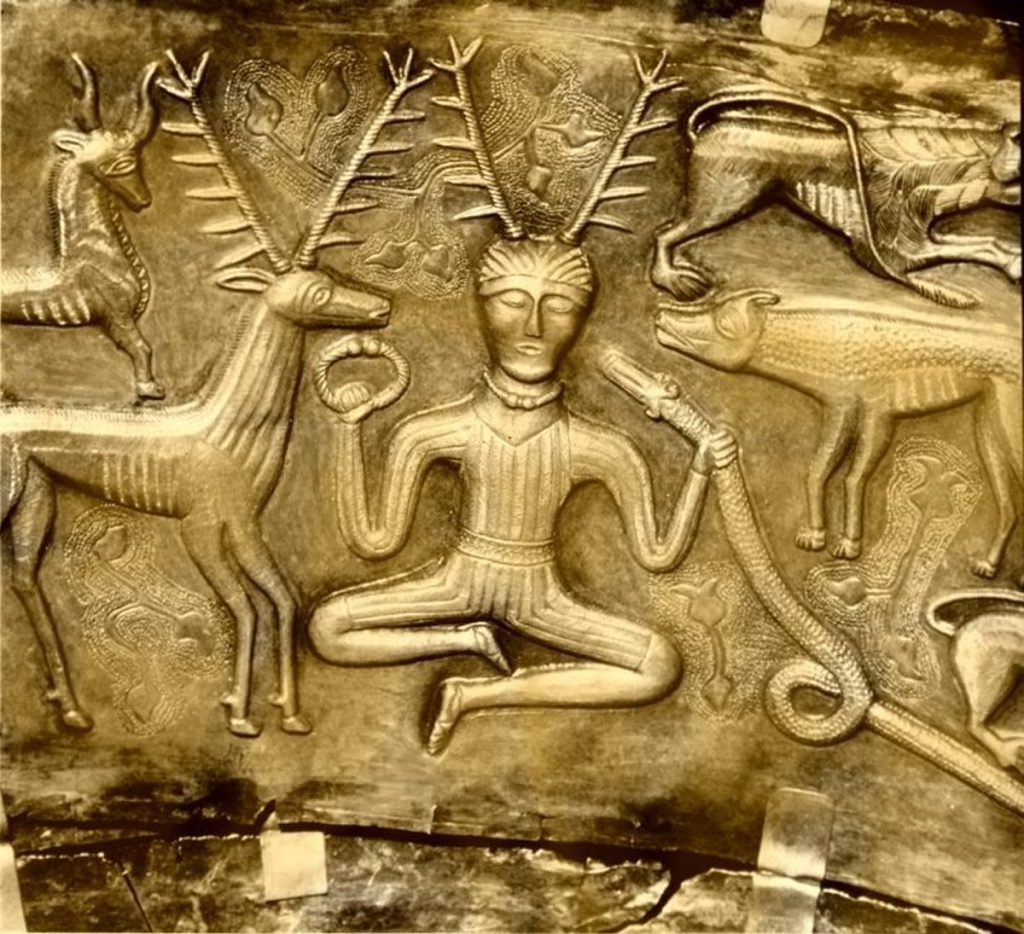
The symbolism remains open to interpretation. Perhaps these figures attempted to reconcile two worlds: the old divinity found in Nature and the emerging divinity found in humanity.
Whatever their original meaning, their fate is revealing.
Over time, the Horned God became associated with paganism, witchcraft, savagery, and eventually the Devil himself.
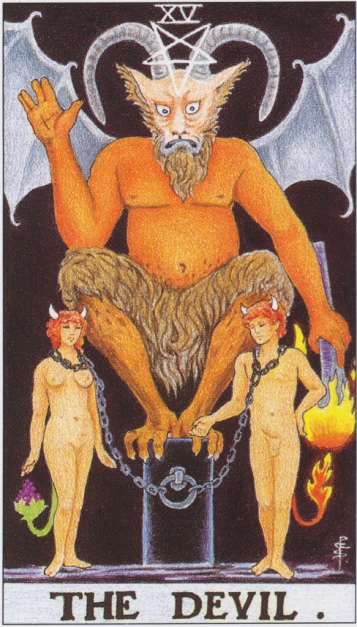
Nature had completed its transformation. It was no longer sacred. It had become something to fear.
This evolution tells an extraordinary story.
At first, humanity found the divine in Nature. Then humanity imagined the divine in human form. Eventually, Nature itself became something to conquer. The sacred had migrated.
And with it, so had our values.
THE GREAT SEPARATION
For the past two thousand years, much of Western civilization has been shaped by monotheism. Judaism, Christianity, and Islam differ profoundly in theology, history, and tradition. Yet they share a common hierarchy. Nature serves humanity. Humanity serves God.
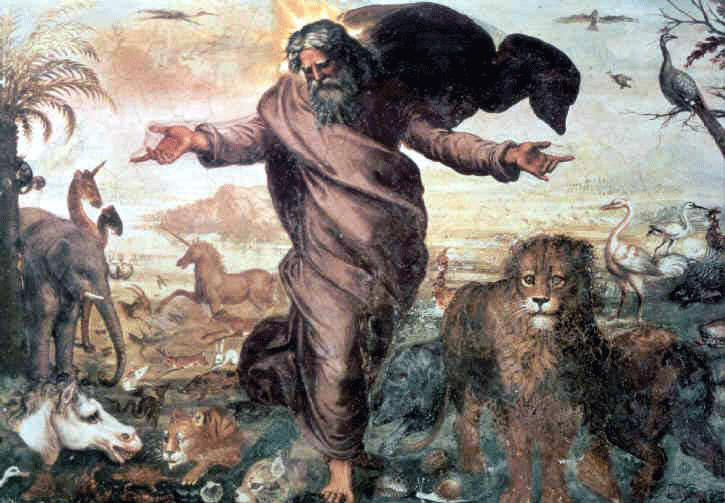
The ultimate destination is no longer this world but another one. Earth becomes temporary. Heaven becomes eternal. Whether intentional or not, this perspective places humanity outside Nature. The natural world becomes something we occupy rather than something we belong to. Once humans see themselves as separate from Nature, it becomes surprisingly easy to believe they stand above it.
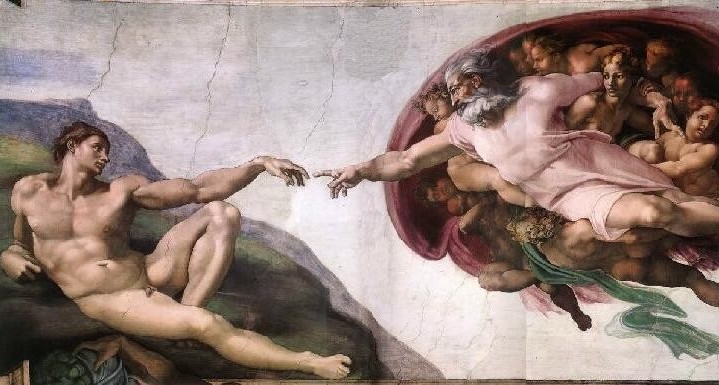
Forests become timber. Rivers become power. Mountains become minerals. Animals become livestock. Nature becomes a resource. This way of thinking has shaped civilization for centuries.
The story changed once again.
Nature was no longer our home. It became our property. With ownership came responsibility. If humanity had been given dominion over Nature, then surely humanity must also become its protector—perhaps even its savior.
It is difficult to ignore the symbolism of Noah’s Ark. Humanity becomes responsible for preserving life itself. Thousands of years later, the vessel has changed, but the story remains remarkably familiar.
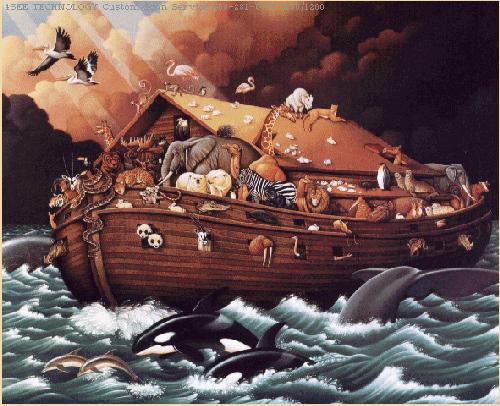
Today, our ark is technology. When ecosystems collapse, we look to engineering. When species disappear, we look to genetics. When climates change, we look to innovation. Technology promises what every civilization has always longed for: Redemption.
The remarkable thing is not that technology exists. It is that we increasingly believe it can solve every problem.
For the first time in history, humanity possesses abilities our ancestors would have considered divine.
We alter genes. Redirect rivers. Create intelligence capable of learning on its own. Prepare to revive extinct species. Build machines that reach other planets. Every breakthrough reinforces the same belief.
If we created the problem… Surely we can engineer the solution.
Technology has become our newest mythology. Not because it is false. But because we increasingly place our faith in it. It promises redemption without sacrifice. Progress without limits. A future where consumption can continue uninterrupted because innovation will always arrive just in time.
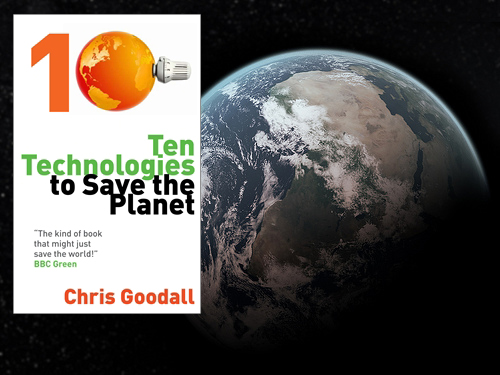
Whether that future is possible is almost beside the point. The story itself matters. Because civilizations are ultimately guided by the stories they believe. This raises a difficult question.
Why should we protect something our civilization has spent thousands of years teaching us to rise above? Why should we rediscover the sacred in rivers, forests, and wildlife after generations learned to see them primarily as resources? Why should anyone value wilderness more than cities, where the greatest achievements of human ingenuity stand?
The answer cannot be found in science. Nor in economics. Nor in technology. The answer lies in our values.
Science can explain why a forest matters. Economics can estimate what it is worth. Technology can help preserve it. None of them can answer a much simpler question.
Should it exist?
That is not a scientific question. It is a moral one. It is a cultural one. It is a question of values. And values have always preceded action.
Long before there were human rights, there were people who believed humans possessed inherent dignity. Long before laws protected children, someone first believed children deserved protection. Long before slavery became illegal, people believed it was wrong.
Values come first. Laws follow.
Civilizations do not protect what they understand. They protect what they value.
Perhaps this is why conversations about Nature so often become arguments about numbers. Carbon emissions. Species counts. Global temperatures. Economic forecasts. Competing graphs. Competing models. Competing statistics.
We have become remarkably good at measuring the world. But measuring something is not the same as valuing it. Numbers can tell us what is happening. They cannot tell us what matters.
For centuries, Nature has had practical value. Economic value. Strategic value. Rarely has it held moral value.
Until Nature once again becomes part of our moral imagination, not merely our economic calculations, we will continue debating statistics while missing the far more important question. Not whether Nature is useful. But whether Nature is sacred enough to deserve a place in our future.
WHAT WE CHOOSE TO VALUE
There is another reason change has proven so difficult. We like to think of ourselves as rational creatures. We imagine every decision begins with logic. It doesn’t.
Most of our decisions begin with emotion, habit, identity, and experience. Knowledge alone rarely changes behavior. Experience does.
We know cigarettes cause cancer. We know poor diets shorten lives. We know sleep matters. Yet millions continue making the opposite choice every day.
Not because they lack information. Because information is rarely enough to overcome the stories we tell ourselves. Our relationship with Nature is no different.
For decades we have tried to persuade people with data. More graphs. More reports. More alarming statistics. And while those numbers are important, they often fail to inspire. Not because the science is wrong.
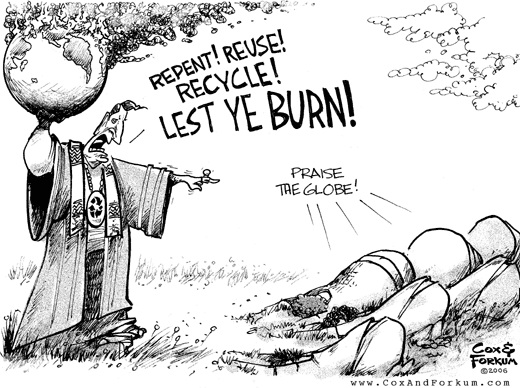
Because values cannot be calculated. They must be lived. They must be experienced.
A child who has never walked through a forest will struggle to understand why it should be protected. A person who has never stood beneath a sky filled with stars may never appreciate what light pollution has taken from us. Someone who has never heard wolves in the distance, watched whales breach, or witnessed a total solar eclipse may understand those experiences intellectually, yet never truly feel their significance.
We protect what we love. We love what we know. And we know only what we experience. Perhaps that is why exploration has always mattered. Exploration does more than expand our knowledge. It expands our values. It transforms distant ideas into personal experiences.
The first photograph of Earth from space did not change the planet. It changed us. For the first time, humanity saw home from the outside. The image became more powerful than any scientific paper because it reached something deeper than the intellect. It reached our imagination.
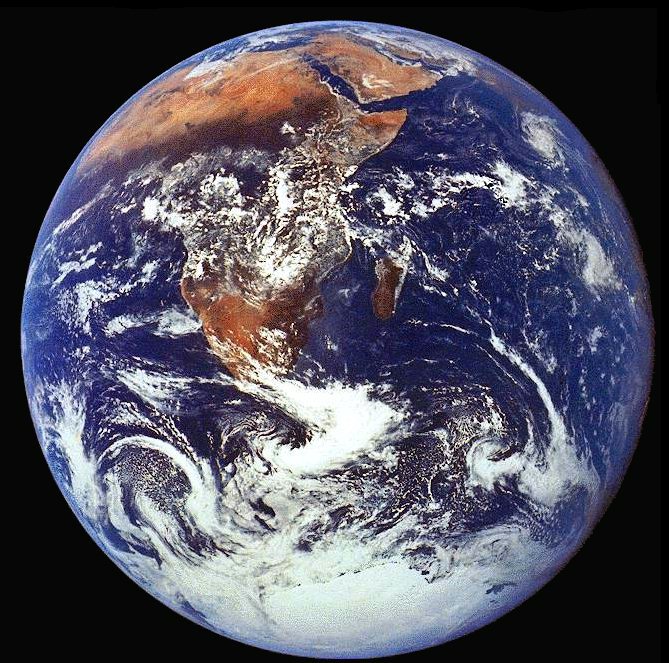
Every generation experiences moments like this. A voyage into Antarctica. A walk through an ancient rainforest. A night beneath an untouched sky. A child watching sea turtles hatch. A spacecraft leaving Earth. These experiences reshape the stories we tell ourselves about our place in the universe. And stories shape civilizations.
Today, we stand at another crossroads. We possess extraordinary technology. We are beginning to reshape life itself. Artificial intelligence is changing how we think. Biotechnology is changing what it means to be human. Space exploration is expanding the boundaries of civilization beyond Earth.
Never before have we possessed so much power. The question is no longer whether we can transform the world. We already are.
The question is what kind of world we want to create. A world where every problem is solved through engineering? Or a world where technology and wilderness coexist? A world where efficiency becomes the highest virtue? Or one where wonder still has a place?
Neither future is inevitable. Both are choices.
If we choose a future dominated entirely by technology, humanity will undoubtedly continue to innovate. We will solve problems that once seemed impossible. We may even engineer substitutes for much of what Nature once provided.
But if we choose a future where wilderness still exists… Where children can hear birdsong instead of traffic. Where rivers still flow freely. Where oceans remain alive. Where the night sky still belongs to the stars.
Then our values must change. Not because the numbers demand it. Not because climate models predict it. Not because Nature needs us to save it. Nature endured for billions of years before we arrived.
The question has never been whether Nature can survive without humanity. The question is whether humanity can flourish without a meaningful relationship with Nature.
Every civilization is remembered not only for what it built, but for what it chose to value. Perhaps the greatest measure of progress is not how completely we master the world around us. Perhaps it is how wisely we choose to belong to it.
Nature does not need our worship. Nor does it need our pity.
It asks for something far more difficult. Our humility. Because the future will not be defined simply by the technologies we invent.It will be defined by the values we carry with us as we use them.
The story of humanity has never been about choosing between Nature and progress. It has always been about remembering they were never meant to be enemies. The future belongs to a civilization capable of advancing without forgetting where it came from.
A civilization that explores farther than ever before… While remaining deeply connected to the world that made exploration possible in the first place.
